REFINE BY CONTENT TYPE
Showing 31–40 of 40 results
Application Notes
Central Nervous System (CNS) depressants can introduce calm and induce sleep. Benzodiazepines are CNS depressants used to relieve anxiety, insomnia, and panic attacks. This application note discusses a simple SPE urine extraction before LC/MS-MS to confirm the presence of 15 spiked benzodiazepine analytes.
The vinegar fly, or fruit fly, is an excellent animal model for studying the underlying mechanisms of human disease. In preparation for use in research studies, fruit fly larvae must eat and grow continuously over a four-day period before hatching. In this app note, we describe the time-consuming and labor-intensive process of preparing vessels with fly food and how to avoid it using a fully automated system.
Sample preparation for any form of analysis can be tedious and time-consuming, and efforts to automate this process have been long and fruitful. Today, many different types of liquid handlers exist that can perform a variety of functions to increase throughput tremendously. In this application note, we demonstrate one example of sample prep by taking a common but complicated screening method for optimizing liquid-liquid chromatography run parameters and automating the process. We also showcase the use of liquid level detection in the precise liquid handling of biphasic solutions
Plastics are ubiquitous in our society and are extensively used in a large variety of packaged foods. There is currently a great deal of interest in measuring the migration of these compounds into food products, as considerable uncertainty exists regarding the human health risks associated with exposure to such compounds. This application note describes the use of gel permeation chromatography (GPC) cleanup to separate a variety of plastic additives from a representative edible oil sample prior to analysis.
Quantitative PCR (qPCR) is essential for gene expression analysis and pathogen identification in life science labs. While qPCR is sensitive, its plate preparation is time-consuming and requires skilled technicians. Automation enhances efficiency and reproducibility. This study compared manual pipettes, the semi-automated TRACKMAN® Connected, and the fully automated PIPETMAX® 268 liquid handler. All tools provided precise results with varying degrees of automation. Choose manual, semi-automated, or fully automated solutions to optimize processes, improve traceability, reduce errors, and free up time for critical tasks.
This application note outlines the automation of the Agencourt® AMPure® XP PCR purification system using Gilson’s PIPETMAX® 268. Designed to streamline PCR cleanup for next-generation sequencing workflows, the protocol uses SPRI magnetic beads to remove contaminants and isolate DNA fragments over 100 bp. The automated method improves reproducibility and throughput, processing up to 96 samples per run with a customizable magnetic bead separator. Applied to E. coli K12 gDNA libraries, the system produced high-quality fragments between 700–2000 bp with no contamination. The protocol is flexible, allowing users to adjust variables like reagent volumes, incubation times, and wash steps to fit diverse lab needs.
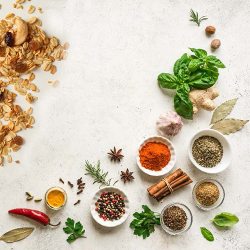
What if automating food safety testing didn’t mean sacrificing accuracy? See how Gilson’s ASPEC® 271 and R-Biopharm Rhône’s OCHRARHONE® WIDE AUTO columns simplify ochratoxin A testing in cereals and spices. This validated, fully automated workflow delivers precise, reproducible results while freeing your team from tedious manual cleanup.
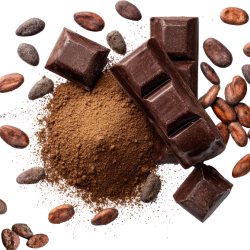
This application note demonstrates how automated immunoaffinity cleanup enables reliable, reproducible quantification of ochratoxin A in cocoa by standardizing sample preparation and reducing variability. The validated workflow delivers high accuracy (80–110% recovery, ≤5% RSD) while improving efficiency and minimizing human error in food safety testing.
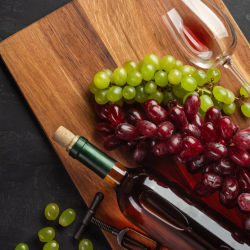
What if automating ochratoxin A testing in wine could improve both efficiency and confidence? Learn how a validated, fully automated workflow using ASPEC® 271 and OCHRARHONE® WIDE AUTO columns ensures precise, reproducible results while minimizing operator variability.
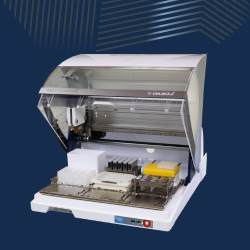
This application note demonstrates the use of EXTRACTMAX™ for fully automated magnetic bead–based purification of proteins, with a focus on preserving weak and transient protein–protein interactions. Using Gilson’s exclusion-based sample preparation (ESP™) technology, EXTRACTMAX gently transfers magnetic beads through multiple wash steps without centrifugation or harsh aspiration. The study highlights reproducible protein recovery, minimal sample loss, and parallel processing of up to four samples, illustrating how EXTRACTMAX supports reliable and automated magnetic purification workflows.